


Benchtops
Sintered Stone Benchtops
Sintered stone is manufactured under extreme heat and pressure into an ultra-compact surface with no resin binder. The result is a benchtop that is non-porous, needs no sealing, and resists heat, scratching, staining and UV — indoors or in an outdoor kitchen. Large-format slabs mean fewer joins across long runs and islands. MAMO supplies the slab; your stonemason fabricates and installs it.
Specifying a sintered stone benchtop
Thickness
12mm and 20mm are the two benchtop thicknesses in our range. 12mm is common where a slimline edge is wanted or where weight matters; 20mm is the more usual choice for a primary kitchen benchtop. Mitred edges build up to a thicker profile from either.
Large format
Sintered slabs are produced to consistent large-format dimensions rather than varying block to block, so an island or a long run can often be delivered in a single piece. Check each product page for its exact size.
Finish
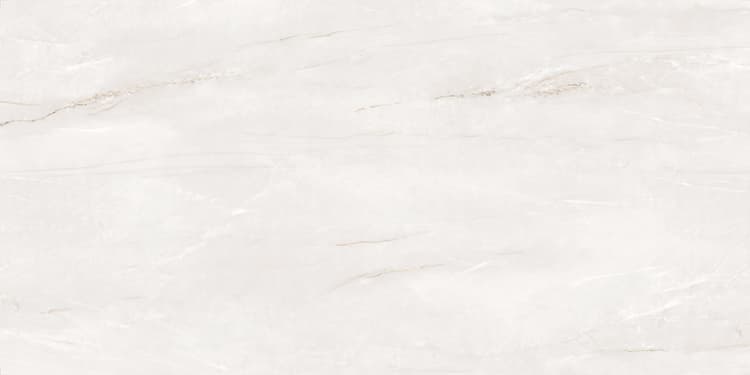
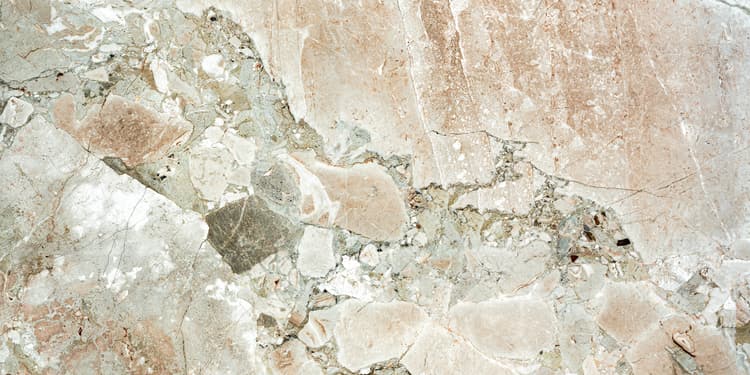
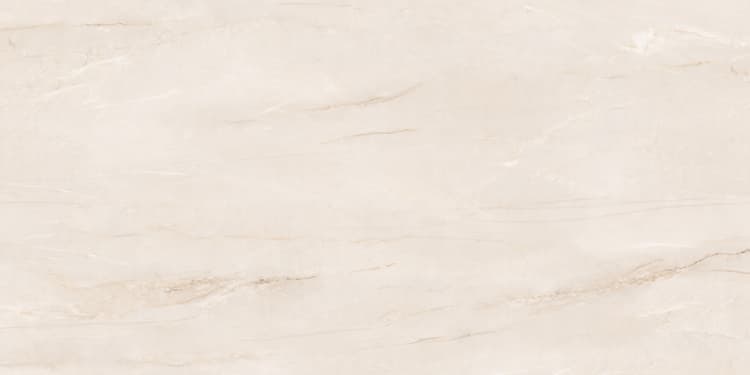
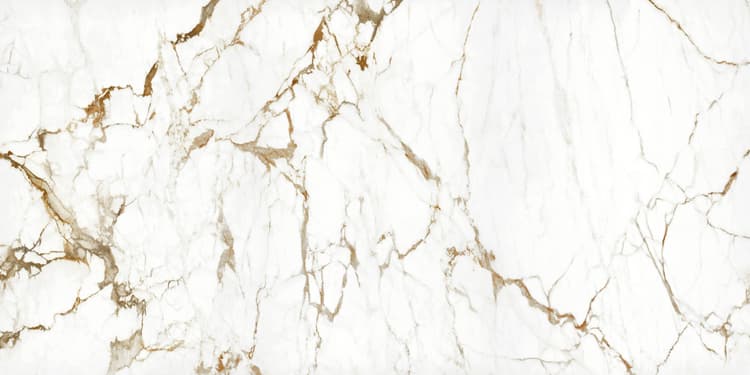
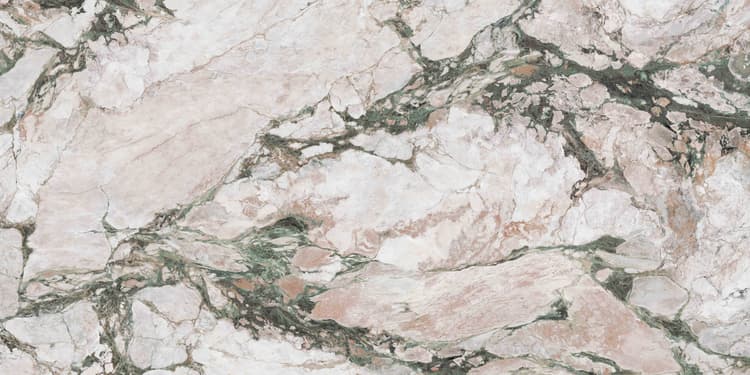
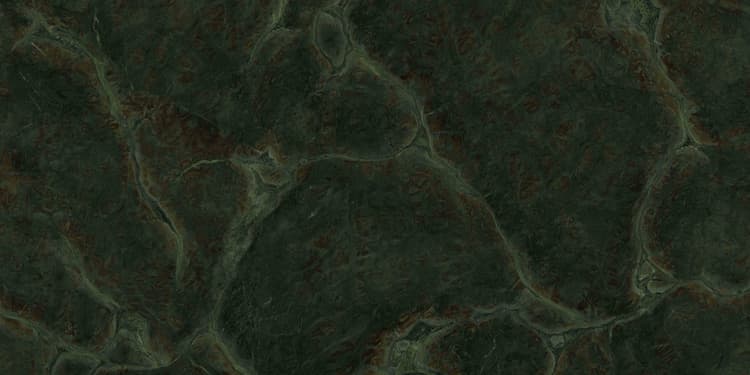
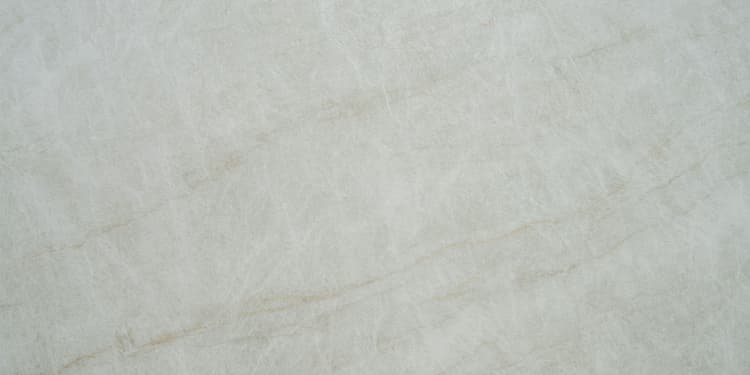
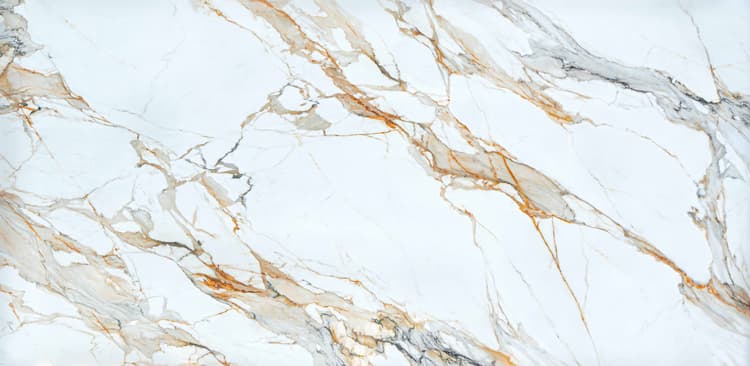
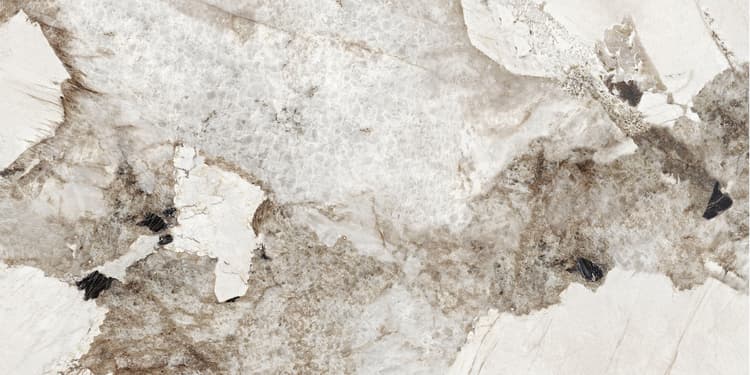
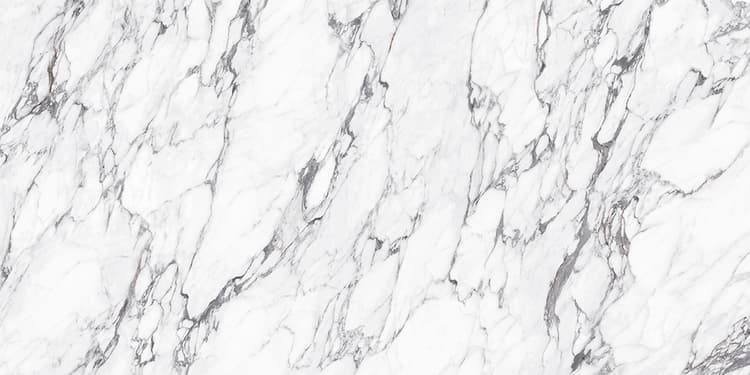
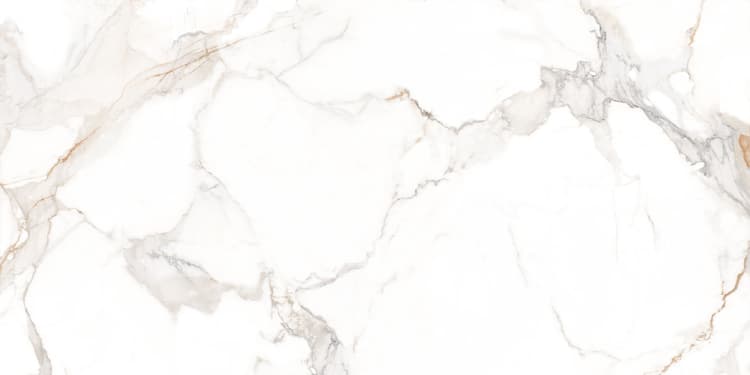
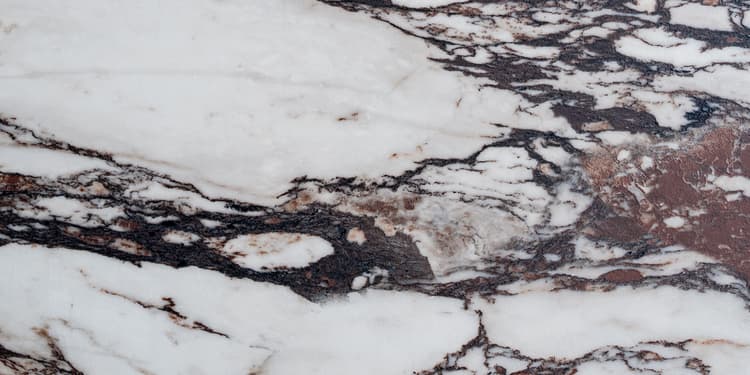
Our sintered range runs from honed and polished through to soft-touch, textured and 3D surfaces. Because the material is manufactured, the finish is consistent across every slab of the same product.
Consistency
Unlike natural stone, sintered slabs of the same product repeat. If you need to match an existing installation, or want certainty that a second slab will look like the first, this is the practical advantage.
Outdoor use
UV stability means sintered stone can be used for outdoor kitchens and alfresco benchtops without the colour shift that affects some other surfaces.
Caring for sintered stone
No sealing
Sintered stone is non-porous. It does not require sealing on installation and does not need resealing over its life.
Everyday cleaning
Warm water and standard household cleaners. The non-porous surface means liquids sit on top rather than soaking in, so spills are not urgent in the way they are on natural stone.
Heat
Highly heat resistant, but trivets are still sensible practice — sudden extreme temperature change is a risk on any hard surface, and fabricated edges and cut-outs are the vulnerable points.
Stubborn marks
Most marking lifts with a non-abrasive cream cleaner. Follow the manufacturer's care sheet for the specific product before using anything stronger.
Sintered stone or natural stone?
Sintered stone is a manufactured surface: consistent slab to slab, non-porous, no sealing, and highly resistant to heat, scratching and UV. Natural stone is quarried: every slab is unique, and it is chosen when that individuality and the way the material ages are the point. Note that sintered stone is a distinct material from resin-based engineered stone — the two are often grouped together and should not be.
Frequently asked questions
Does a sintered stone benchtop need sealing?
No. Sintered stone is non-porous, so it does not need sealing when installed or resealing later. Warm water and ordinary household cleaners are enough for everyday care.
Is sintered stone the same as engineered stone?
No. Engineered stone is typically crushed stone bound with resin. Sintered stone is made from mineral raw materials fused under heat and pressure without a resin binder. They are different materials with different properties, and are frequently confused because both are manufactured.
Can sintered stone be used outdoors?
Yes. Its UV stability makes it suitable for outdoor kitchens, alfresco benchtops and external applications where colour retention matters.
What thickness should I choose?
20mm is the usual choice for a primary kitchen benchtop; 12mm suits slimline profiles and applications where weight is a factor. Either can be mitred to present a thicker edge. Your stonemason can advise on the profile for your design.
Will a second slab match the first?
Yes — that is one of the practical reasons to specify sintered stone. Because it is manufactured to a consistent pattern, slabs of the same product repeat, which matters for large runs, staged works and matching an existing installation.
See it in person
Order samples, or view full slabs at a MAMO showroom in Sydney or Newcastle before you specify.