


The range
Browse natural stone benchtops
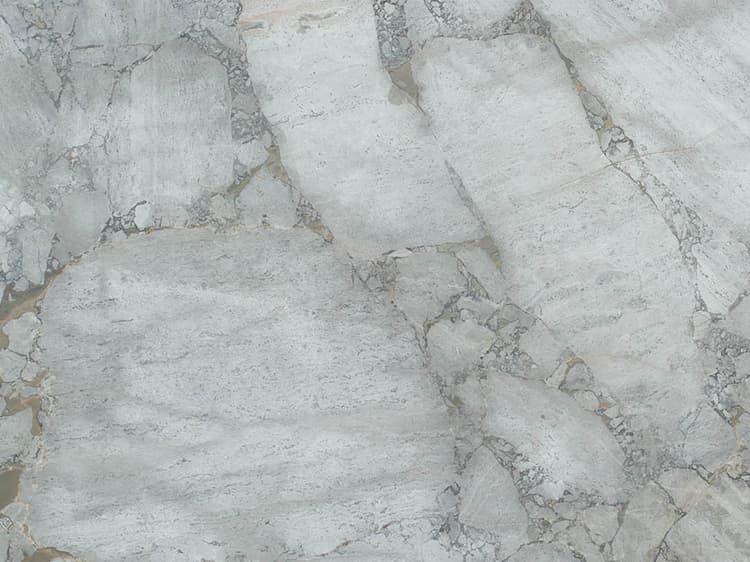
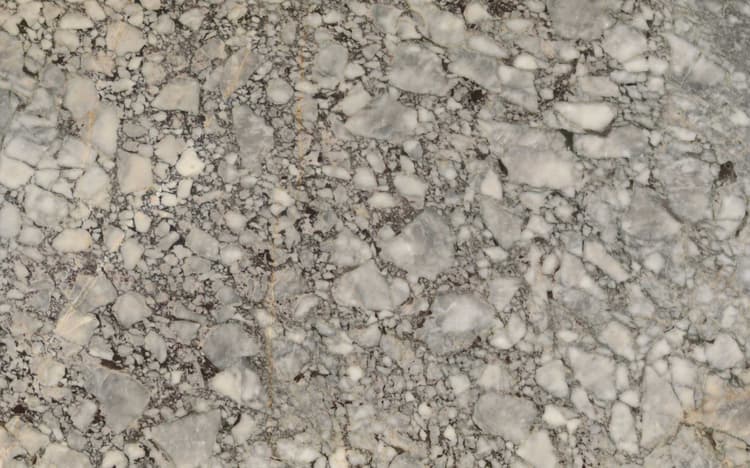
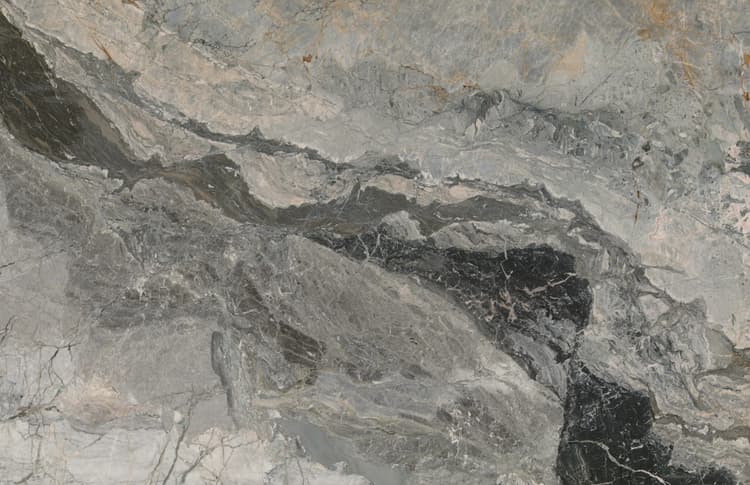
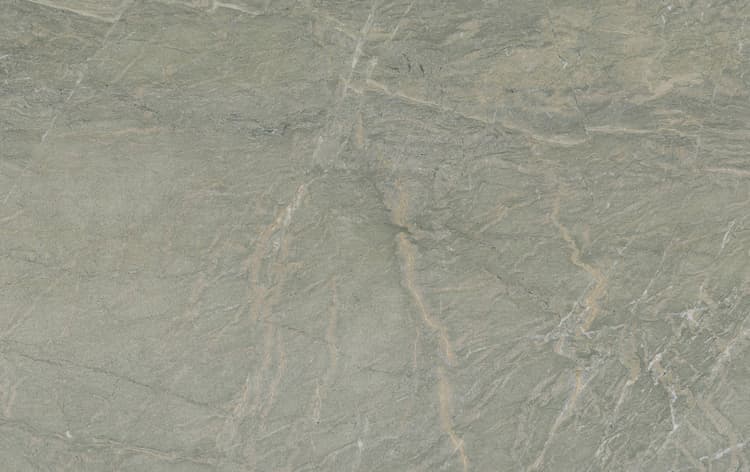
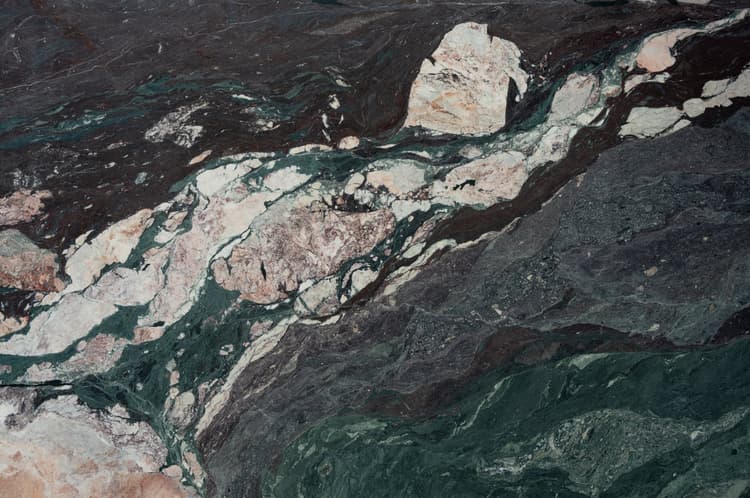
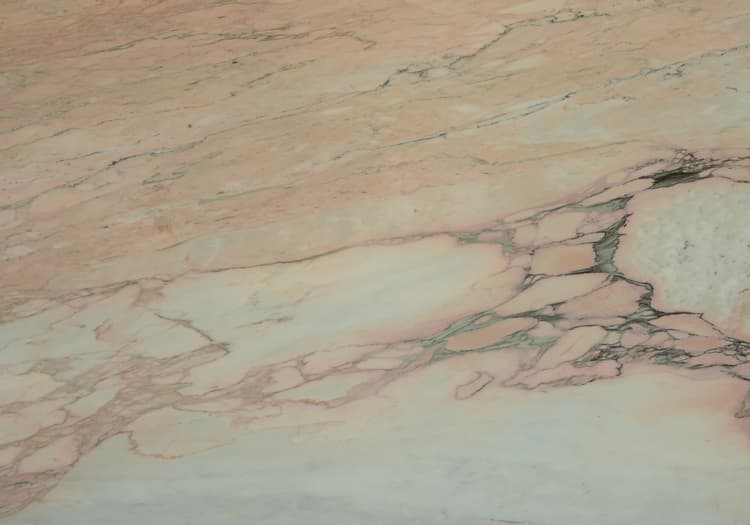
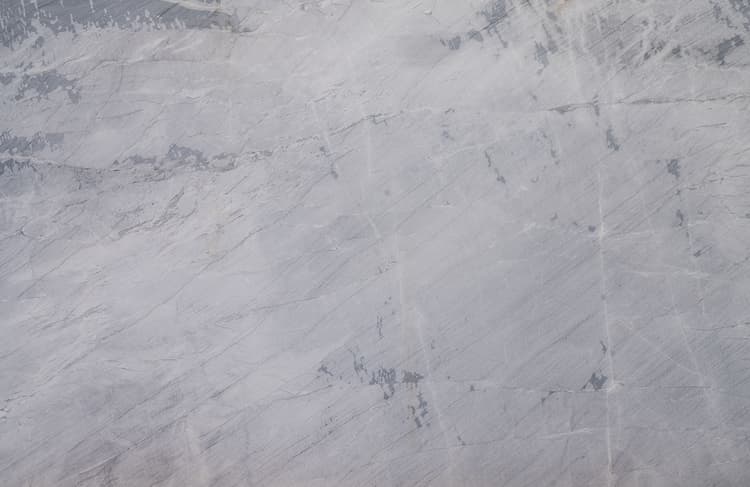
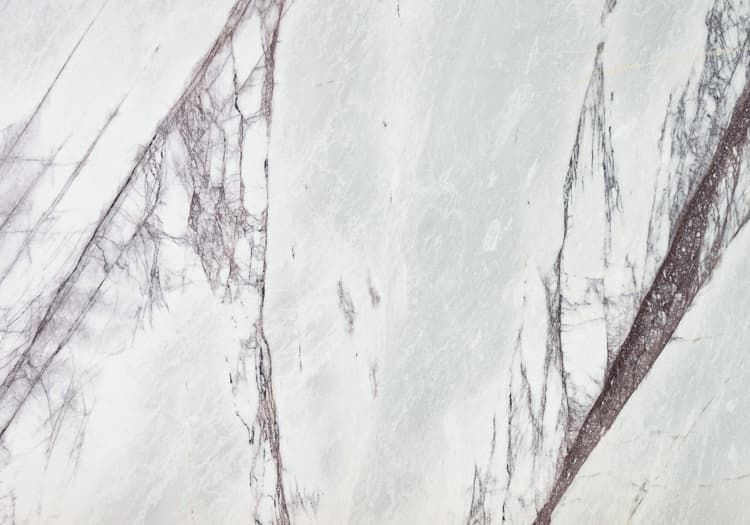
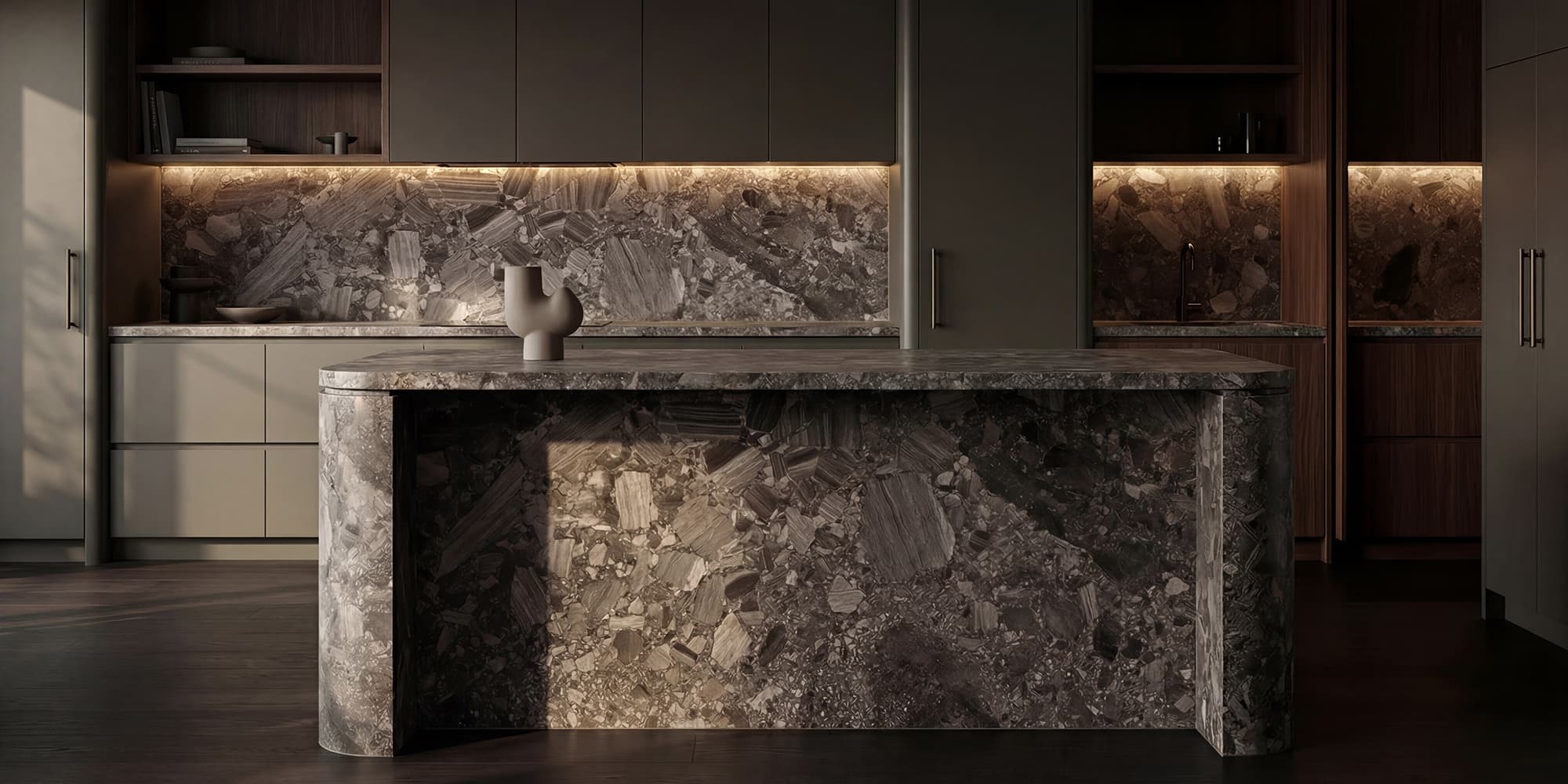
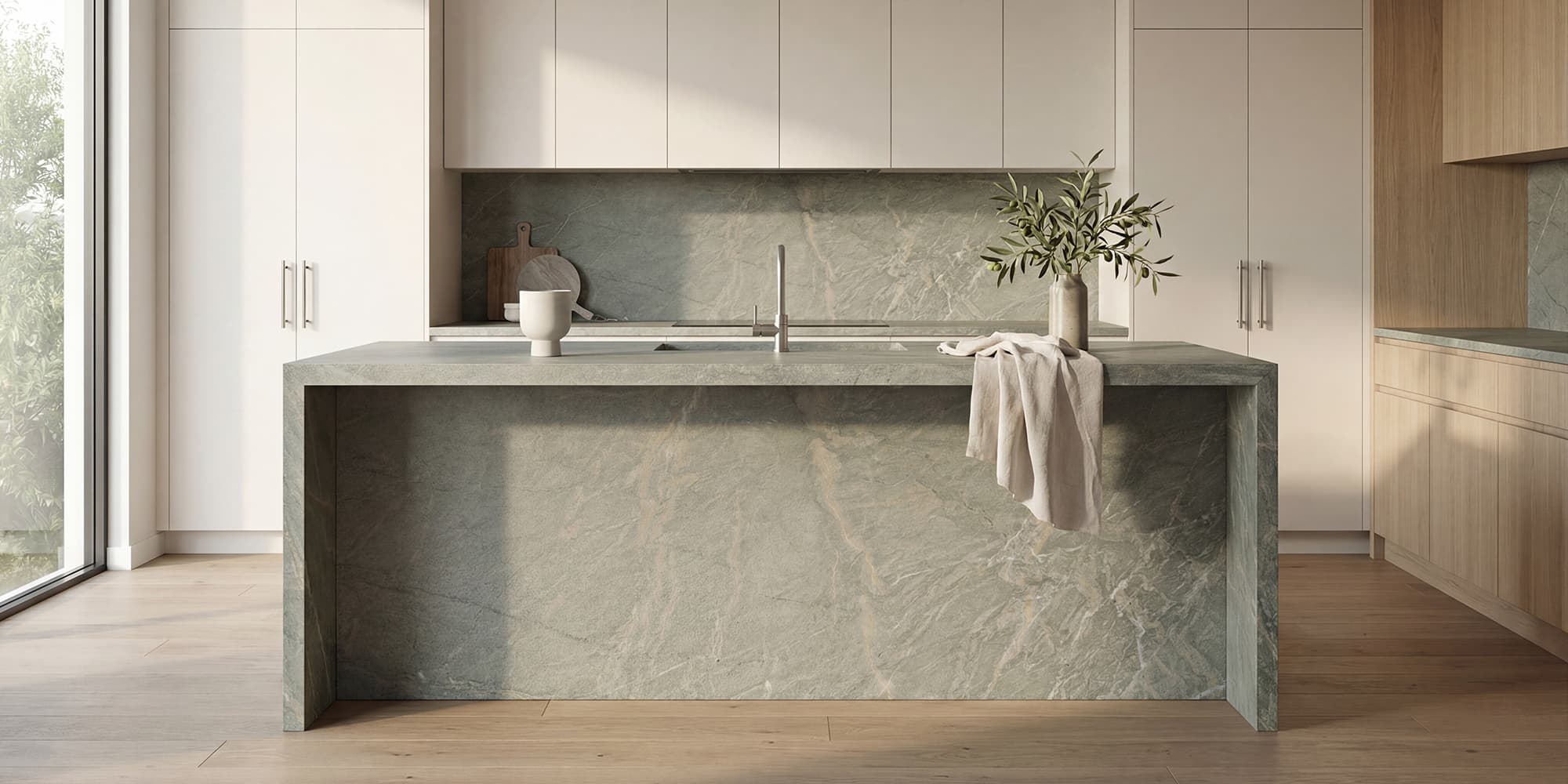
A selection of the 83 slabs currently in the range. Every product page carries its own finish, origin and slab specification.

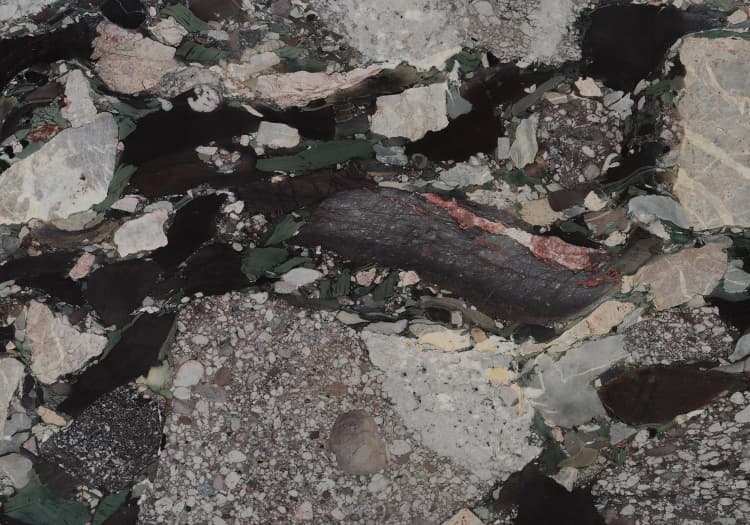
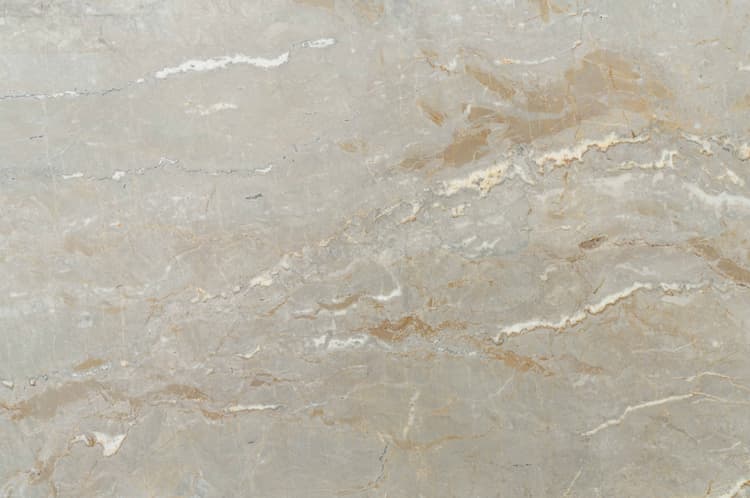
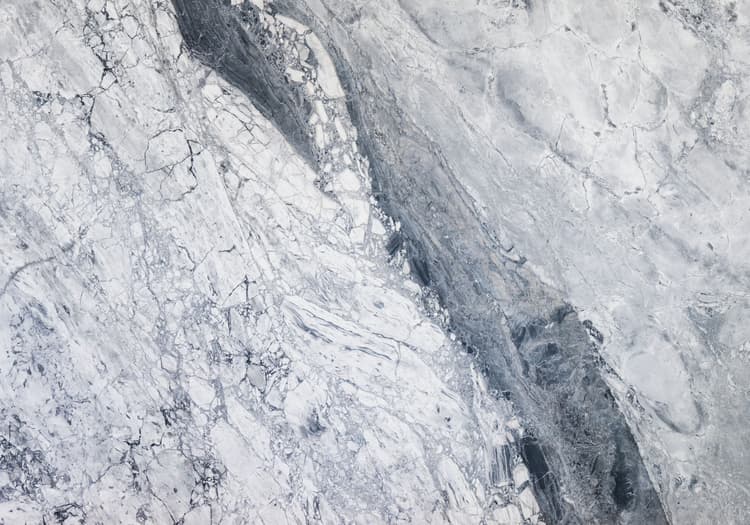
Specification
Specifying a natural stone benchtop
Thickness
Natural stone slabs are most commonly 20mm. Thicker benchtop edges are achieved by mitring and laminating the edge rather than by using a thicker slab, so a 20mm slab can still read as 40mm or 60mm once fabricated.
Finish
Honed is the most specified finish across our range — a matte surface that softens reflection and hides marking better than a gloss. Polished maximises depth and colour saturation. Leathered adds a subtle texture and is common on darker granites.
Slab size
Natural slab dimensions vary block to block, which is why every product page lists its own size. Check the slab specification before finalising an island or a run that needs to be seamless — the slab, not the design, sets the maximum.
Book-matching
Consecutive slabs cut from the same block can be opened like a book so the veining mirrors across a join. If you want a book-matched island or splashback, flag it early: it depends on slab availability at the time of selection.
Selection
Because each slab is unique, we recommend viewing the actual slab before it is cut. Both showrooms hold full slabs standing so you can see the whole piece rather than a 100mm sample.
Care
Caring for natural stone
Sealing
Natural stone is porous to varying degrees and is normally sealed after installation. Ask your stonemason which sealer they have used and how often it should be reapplied — it varies by material and by product.
Everyday cleaning
Warm water and a pH-neutral cleaner. Avoid anything acidic or abrasive, including many general-purpose spray cleaners, vinegar and citrus-based products.
Spills
Wipe spills as they happen rather than leaving them to sit, particularly wine, oil, citrus and coffee. Prompt attention is the single biggest factor in how a natural benchtop ages.
Heat and cutting
Use trivets and boards. Natural stone tolerates heat well, but thermal shock and knife contact are avoidable risks on any benchtop surface.
Compare
Natural stone or sintered stone?
Natural stone is chosen for character — the individuality of the slab is the point, and a degree of patina over time comes with it. Sintered stone is chosen for consistency and low maintenance: non-porous, no sealing, and highly resistant to heat, scratching and UV. Neither is better; they answer different briefs.
How these materials behave on the four things a benchtop is usually chosen on.
| Material | Sealing | Acids & etching | Heat | Slab consistency |
|---|---|---|---|---|
| Natural stoneThis page | Porous to varying degrees — normally sealed after installation, then resealed periodically. | Marble etches readily on contact with acids; granite and quartzite are far less reactive. | Tolerates heat well. Use trivets and boards. | Every slab is unique — no two repeat. |
| Sintered stone | Non-porous. No sealing on installation, and none over its life. | Will not etch or patina. | Highly heat resistant. Trivets still sensible at edges and cut-outs. | Manufactured — slabs of the same product repeat. |
Questions
Frequently asked questions
Granite and quartzite are the hardest-wearing and the most forgiving in a working kitchen. Marble is softer and will etch on contact with acids, which many people accept for the way it looks and ages. Travertine, dolomite and onyx are usually specified for vanities, feature walls and bars rather than primary kitchen runs.
Generally yes. Natural stone is porous to varying degrees and is normally sealed after installation, then resealed periodically. Your stonemason will advise the schedule for the specific material and sealer used.
Yes, and we recommend it. MAMO holds full slabs at both showrooms — Moorebank in Sydney and Warners Bay in Newcastle — so you can view the whole piece, including how the veining runs, before it goes to fabrication.
No. MAMO supplies the slab. Fabrication, templating and installation are carried out by your stonemason, who we can coordinate slab delivery with directly.
Yes — samples can be ordered online and dispatched Australia-wide. Because natural stone varies slab to slab, treat a sample as a guide to colour and finish rather than an exact match to the slab you will receive.
See it in person
Order samples, or view full slabs at a MAMO showroom in Sydney or Newcastle before you specify.