


Benchtops
Marble Benchtops
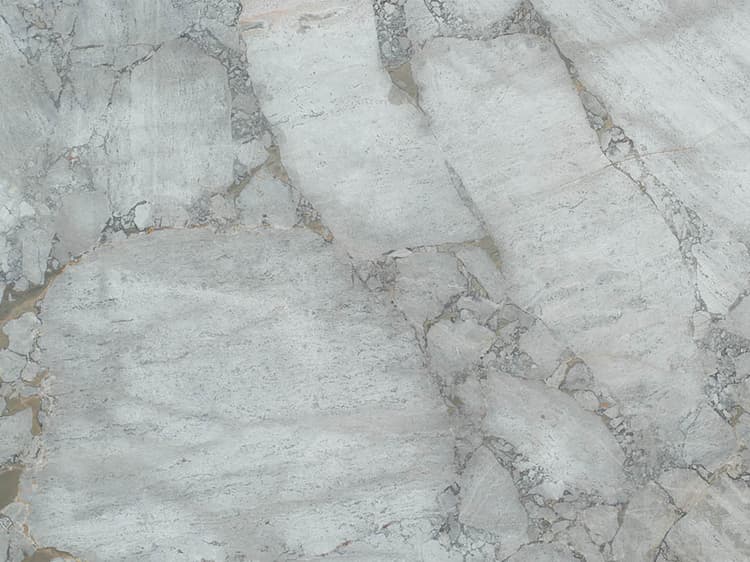
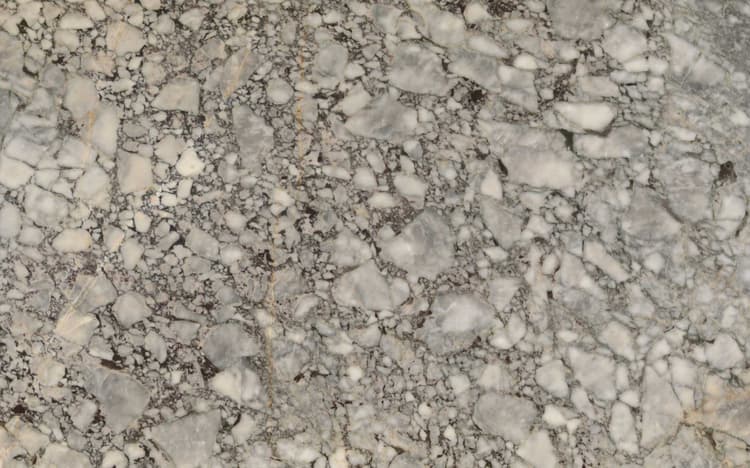
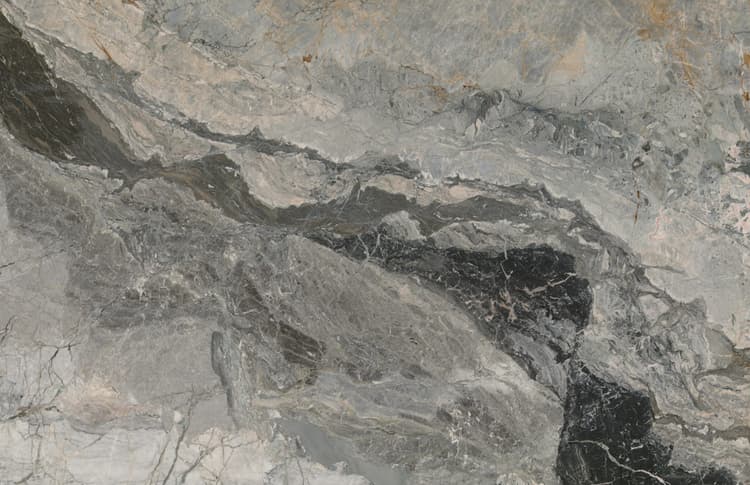
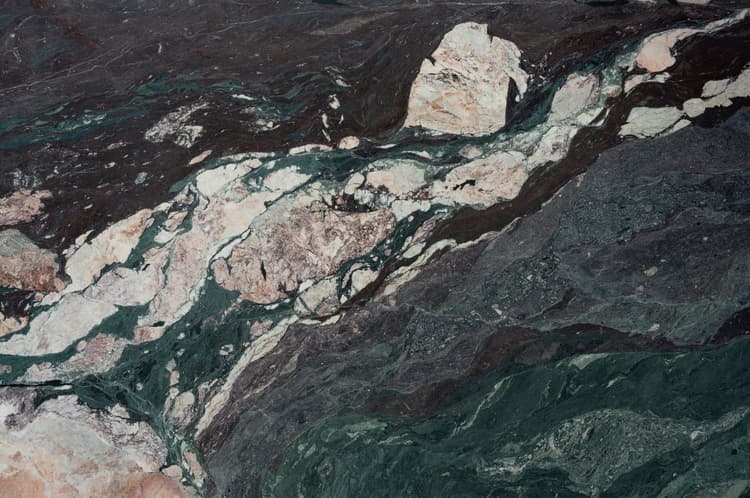
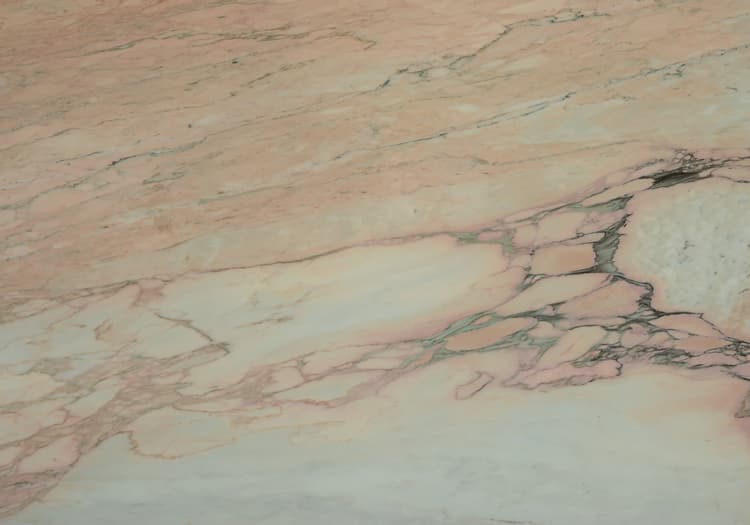
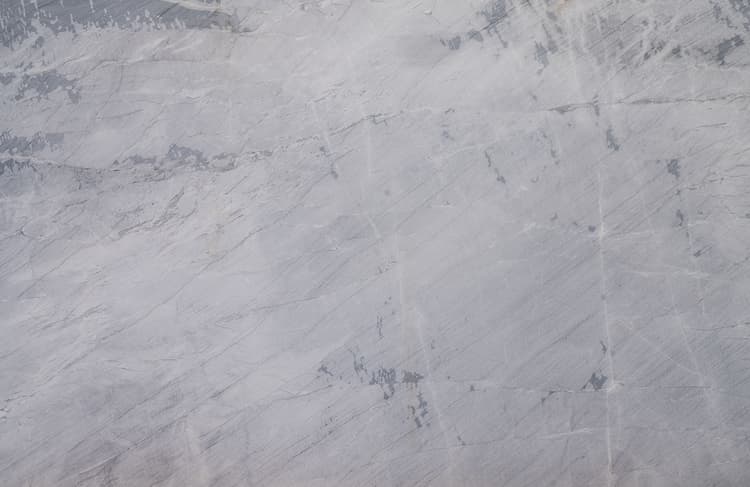
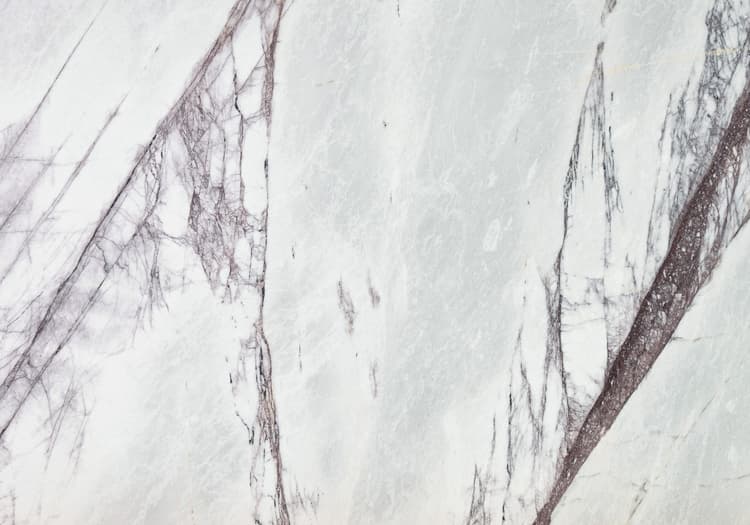
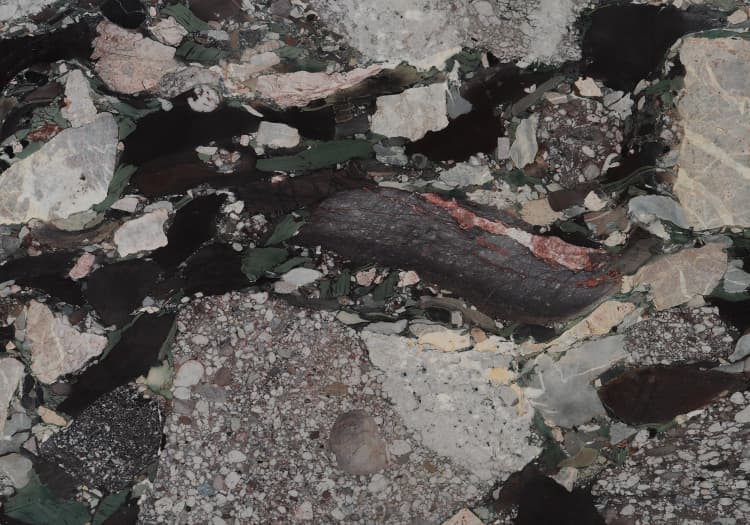
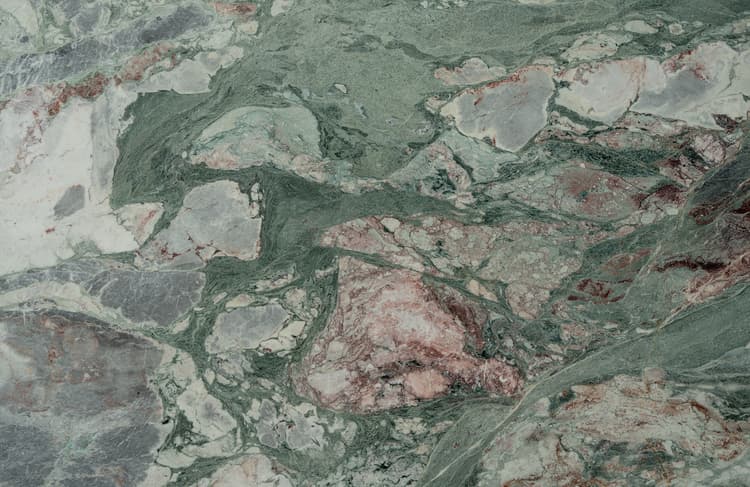
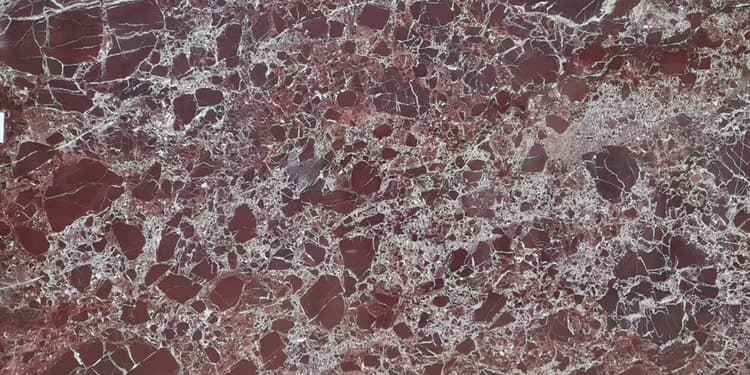
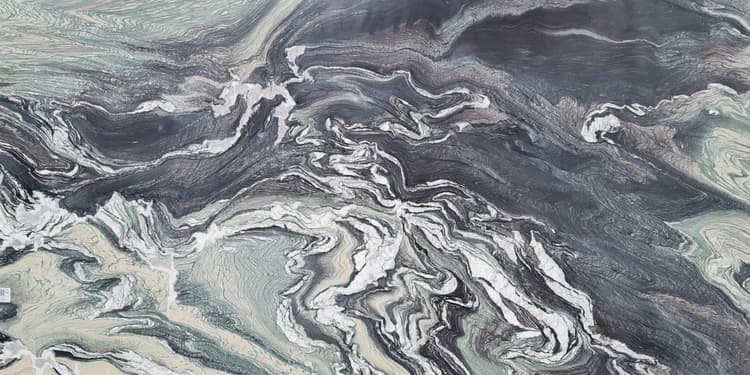
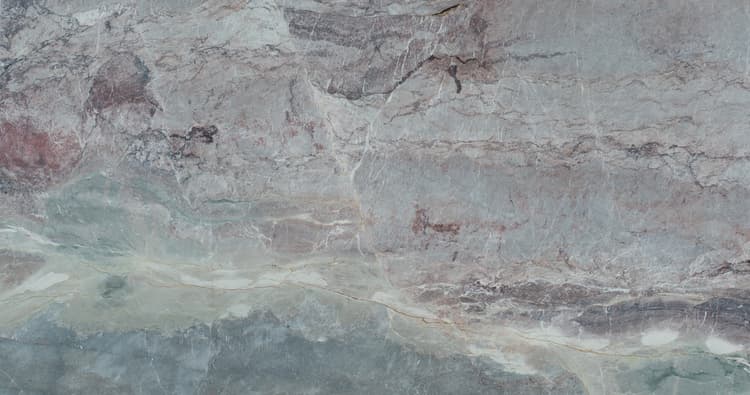
Marble is the surface people picture when they picture a stone kitchen: soft white grounds, grey and gold veining, and a depth that no printed surface reproduces. It is also a material with opinions attached — it etches, it patinas, and the people who love it love it for exactly that. MAMO holds one of the larger marble selections in Australia in full slabs, so you can choose the piece rather than the product code.
Specifying a marble benchtop
Honed or polished
This is the decision that matters most on marble. Honed is matte and disguises etching far better, which is why it is the more commonly specified finish for kitchens. Polished gives maximum depth and vein contrast and shows etch marks more readily.
Thickness
20mm is standard. Thicker-looking edges — 40mm, 60mm and beyond — are built by mitring and laminating rather than by sourcing a thicker slab.
Book-matching
Marble is the material most often book-matched, with consecutive slabs opened to mirror the veining across an island or a full-height splashback. It depends on the block, so raise it at selection.
Vein direction
Where the veining runs relative to your island and cut-outs changes the whole result. Worth walking through the slab with your stonemason before templating, not after.
Slab size
Dimensions vary block to block — each product page lists its own. Confirm the slab covers your longest run before committing to a seamless design.
Caring for a marble benchtop
Etching, and what it actually is
Acids react with the calcium carbonate in marble and dull the surface where they touch. That is etching — a change in sheen, not a stain, and it is a characteristic of the material rather than a fault. Lemon, vinegar, wine and some cleaning products all cause it. A honed finish makes it far less visible.
Sealing
Marble is porous and is sealed after installation, then resealed periodically. Sealing reduces staining; it does not prevent etching, and no sealer does.
Everyday cleaning
Warm water and a pH-neutral stone cleaner only. Avoid vinegar, citrus, bleach and general-purpose sprays, which are frequently acidic.
Living with it
Marble develops a patina. If a benchtop that stays factory-new is the requirement, specify granite or sintered stone instead — that is a legitimate answer, and better made before installation than after.
Marble, granite or sintered stone?
Marble is the softest of the three and the most reactive to acids, and is chosen for its appearance and the way it ages. Granite is considerably harder, does not etch the way marble does, and suits a working kitchen where durability leads. Sintered stone is non-porous, needs no sealing and will not etch or patina at all. The right choice depends on how much change you want the surface to show.
Frequently asked questions
Is marble a good choice for a kitchen benchtop?
It depends on what you want from the surface. Marble is softer than granite and etches on contact with acids, so it will show use. Many people specify it anyway for its appearance and accept the patina. If you want a surface that stays unchanged, granite or sintered stone is the better fit.
Will a marble benchtop stain?
Marble is porous, so staining is possible if spills are left to sit — oil, wine, coffee and citrus are the usual culprits. Sealing after installation and wiping spills promptly substantially reduces the risk. Staining and etching are different things: a stain is absorbed, an etch is a dulled patch on the surface.
Should I choose honed or polished marble?
Honed for most kitchens. Its matte surface disguises etching far better than a polish, which is why it is the more commonly specified finish across our range. Polished delivers more depth and vein contrast and is often chosen for vanities, splashbacks and bars where the surface sees less acid.
Can I get a book-matched marble island?
Often, yes — consecutive slabs from the same block can be opened so the veining mirrors across the join. It depends on what is available from that block at the time of selection, so tell us early if book-matching is part of the design.
How much of the slab can I see before buying?
All of it. Full marble slabs are held standing at both MAMO showrooms, so you can see the entire piece and how the veining runs before it goes to your stonemason.
See it in person
Order samples, or view full slabs at a MAMO showroom in Sydney or Newcastle before you specify.