


Side by side
How the two compare
Neither column is the right answer on its own. Read it against the brief: who is using the surface, where, and how much looking after they will give it.
| Sintered stone | Natural stone | |
|---|---|---|
| What it is | Mineral particles compacted under extreme heat and pressure. No resin binders. | Quarried stone — marble, quartzite, granite, travertine and more — cut from the block into slabs. |
| Sealing | Non-porous. No sealing on installation, and none over its life. | Porous to varying degrees — normally sealed after installation, then resealed periodically. |
| Acids & etching | Will not etch or patina. | Marble etches readily on contact with acids; granite and quartzite are far less reactive. |
| Heat | Highly heat resistant. Trivets still sensible at edges and cut-outs. | Tolerates heat well. Use trivets and boards. |
| Sun & outdoors | UV-stable: colour holds in direct sun. Suitable outdoors. | Depends on the stone. Travertine in a honed or tumbled finish is widely used around pools and outdoors. |
| Everyday care | Warm water and a mild detergent. No sealing schedule. | pH-neutral cleaners, and a resealing schedule. |
| Slab consistency | Manufactured — slabs of the same product repeat. | Every slab is unique — no two repeat. |
| Character | Designed surfaces in a broad, repeatable palette. | Veining, colour and movement that exist in one slab only. |
Which suits
Start from the brief, not the material
Sintered stone suits a brief that needs…
- A surface that takes heat, knives and spills without a sealing routine.
- Continuity indoors to outdoors — an alfresco kitchen, a pool surround, a façade.
- Slabs of one product that match across a large job, or a benchtop and splashback.
- Large formats with fewer joins, or thin slabs for cladding and furniture.
Natural stone suits a brief that needs…
- A one-off: veining and colour that exist in no other slab.
- A material the client is happy to seal and that will etch and wear with use.
- Book-matched features cut from consecutive slabs of one block.
- Selection in person — choosing the actual slabs for the job.
By application
Where each is specified
Slabs in MAMO's current range rated for each application, by material.
| Application | Sintered stone | Natural stone |
|---|---|---|
| Kitchen benchtops | 55 | 80 |
| Splashbacks | 64 | 80 |
| Bathrooms | 64 | 76 |
| Outdoor | 63 | 19 |
| Cladding & façades | 51 | 31 |
| Flooring | 47 | 58 |
| Feature walls | 63 | 78 |
| Furniture & tabletops | 51 | 72 |
Palette
The same palette, either material
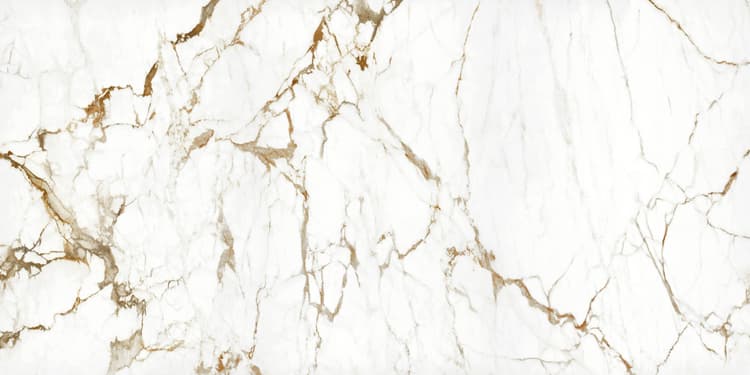
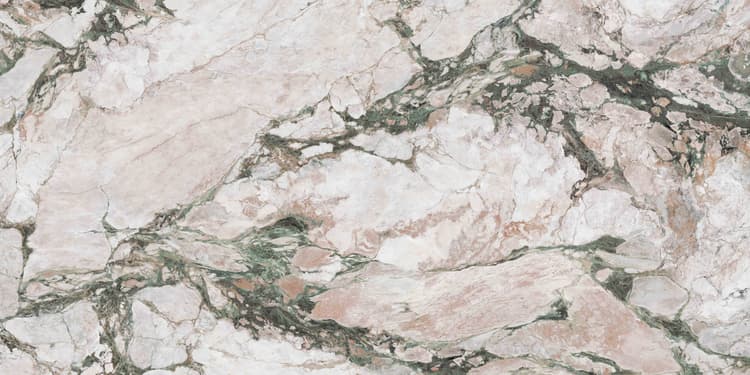
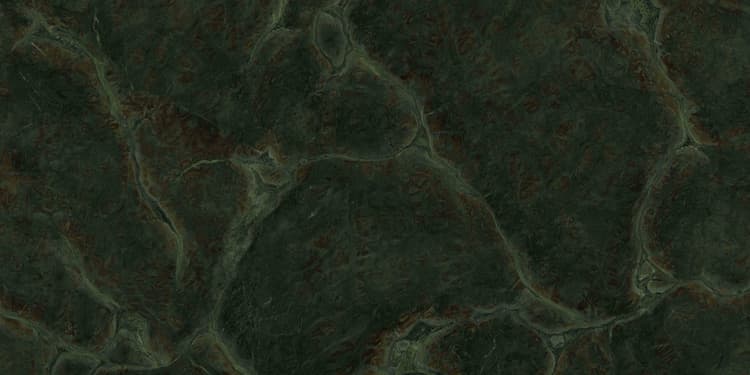
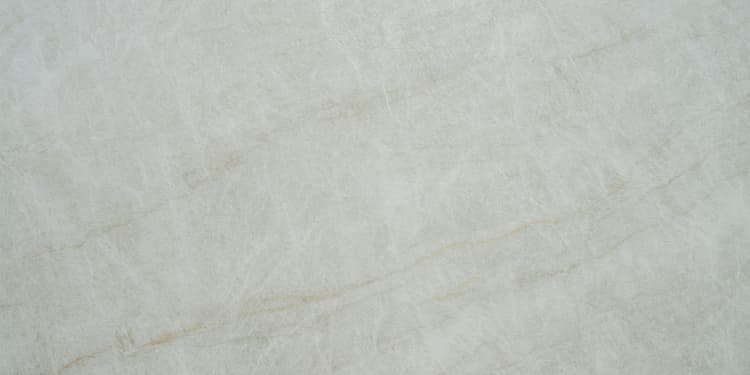
Slabs in each colour palette across both ranges. Warm neutrals, for example, can be specified as a one-off natural slab or as a repeatable sintered surface.
Warm Neutrals
Dark & Bold
Earth & Forest
Cool Neutrals
Mid & Deep Greys
Blush & Soft
Travertine, in both materials
Natural: Travertine Navona, Silver Travertine, Ocean Blue Travertine, Oris Travertine. Sintered: White Travertine, Ultra White Travertine, Classic Travertine, Silver Travertine, Red Travertine.
Onyx, in both materials
Natural: Glacier White Jade, Jurrasic Onyx, Travertine Onyx. Sintered: Suave Onyx, Champagne Onyx.
In use
Both, in MAMO projects
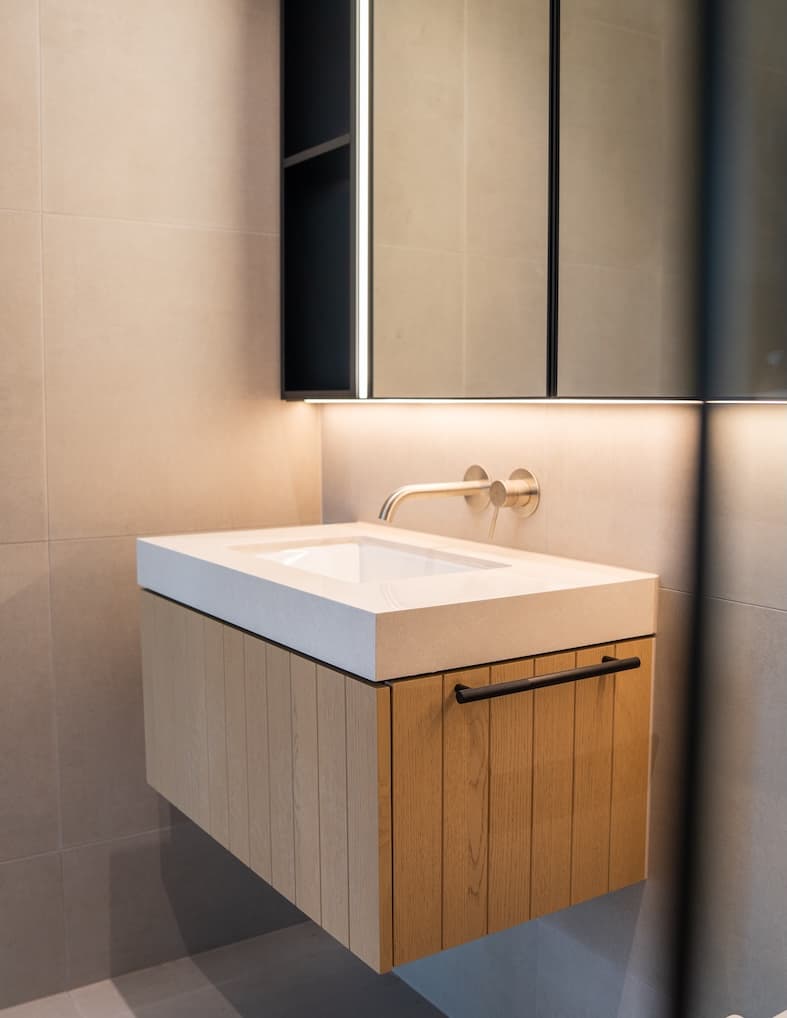
Projects that specified natural or sintered stone from the MAMO range.

Samples
Compare them in your hand
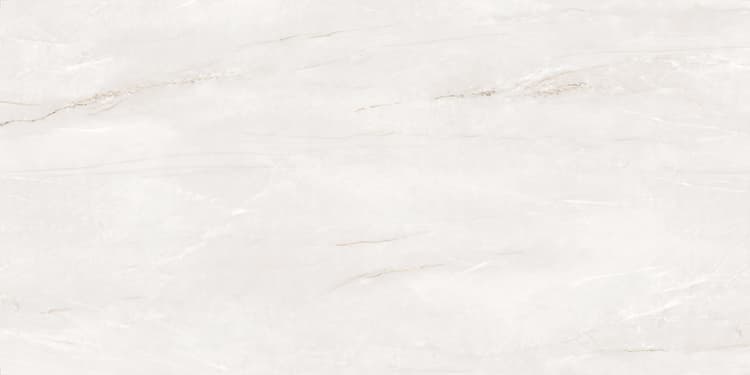
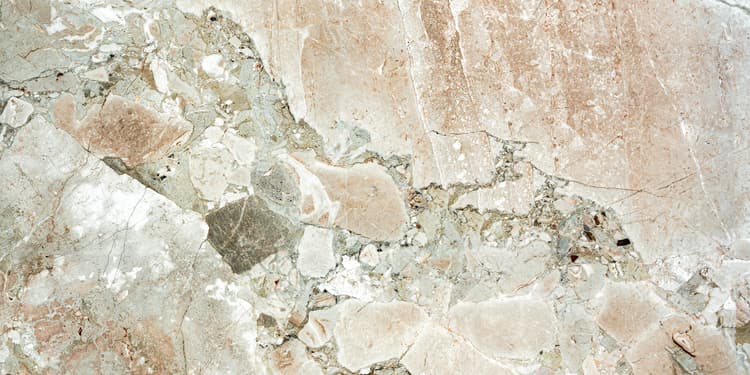
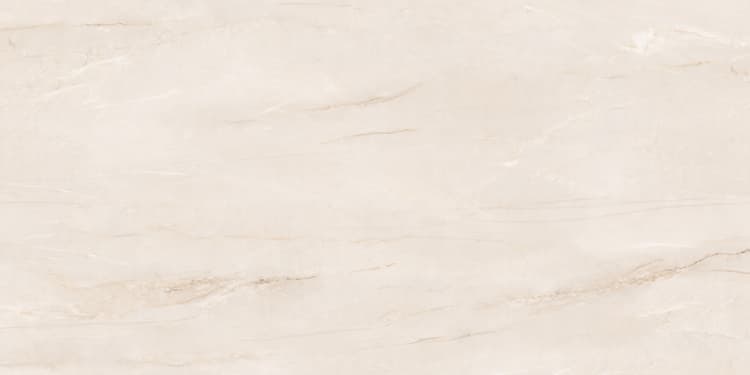
Add sintered stone samples straight from the grid — free for trade. Natural stone is best compared as a full slab: book a showroom visit to see both side by side.
Questions
Frequently asked questions
They answer different briefs. Natural stone is chosen because every slab is unique — the veining in your benchtop exists nowhere else. Sintered stone is chosen because it is predictable: it resists heat, scratches, stains and UV, never needs sealing, and slabs of the same product match. MAMO supplies both, and the right one depends on whether you are buying individuality or consistency.
Sintered stone. It is non-porous, so it never needs sealing, and it does not etch. Natural stone is normally sealed after installation and resealed periodically; marble and limestone also etch on contact with acids.
Sintered stone is UV-stable, so it holds its colour in direct Australian sun, and it is widely used for alfresco kitchens, pool surrounds and façades. Among natural stones, travertine in a honed or tumbled finish is the one most often used outdoors.
Yes. Many projects pair them — a natural stone feature where the slab's character is the point, and sintered stone where a surface has to work hardest. Our team can help you balance the two.
Some sintered surfaces take their look from natural stone — the MAMO range includes travertine looks in sintered stone, for example — while others are designs in their own right. The difference shows in consistency: sintered slabs of one product repeat, natural slabs never do.
Guides
Keep reading
Sintered Stone Specification Guide
Benefits, formats, finishes and what to check before you specify.
02Natural Stone Selection & Specification Guide
Marble, quartzite, granite and travertine — choosing and specifying a natural slab.
03Stone by Application
From benchtops to façades: which materials suit which job.
See both side by side
Request sintered stone samples, or visit our Moorebank or Warners Bay showroom to compare full slabs of both materials.