


The stones
What MAMO holds, and how each behaves
Figures are the slabs of each stone currently in the range. The differences that matter in use are hardness, how a stone reacts to acids, and how much sealing it needs.
Marble
The classic veined stone. Softer and acid-sensitive: lemon juice, vinegar and wine can etch it, so it is sealed and cleaned with pH-neutral products. A honed finish disguises etching.
Marble benchtops →Quartzite
Harder and more resistant to scratching and etching than marble. Sealing is still recommended.
Granite
Harder and more scratch- and etch-resistant than marble; it does not etch on contact with acids the way marble does. Still normally sealed after installation.
Granite benchtops →Travertine
A pitted texture, supplied filled or unfilled. Honed and tumbled finishes are slip-friendlier and it stays comparatively cool underfoot, which is why it is widely used around pools and outdoors. Needs sealing.
Dolomite
Held in the range. Ask our team for specification guidance on this stone.
Onyx
Held in the range. Ask our team for specification guidance on this stone.
Slab selection
Natural variation: why slab selection matters
Two slabs sold under the same name are not the same slab. For natural stone, the selection is part of the specification.
Every slab is a one-off
Veining and colour vary from slab to slab, even within one product name and one delivery. The slab you approve is the slab that should go to your stonemason.
A sample is not the slab
A sample shows colour, finish and texture. It cannot show how the veining moves across three metres of benchtop — only a full slab does that.
Book-matching depends on the block
Mirrored, book-matched layouts need consecutive slabs from the same block. Where a job needs several slabs, ask our team which slabs were cut together.
Plan the cut on the slab
Where the strongest movement falls — across an island, up a splashback — is decided when the stonemason templates. Choosing the slab in person makes that conversation specific.
Specifying
From slab to specification
The five steps between a shortlist and a slab on site. Sample ordering for natural stone is paused at the moment, so selection happens on the full slab in the showroom.
Shortlist by stone and palette
Narrow the range by stone type and colour palette online. Each product page lists its finish, thickness and the applications it suits.
See the full slabs
Visit our Moorebank showroom in Sydney, or Warners Bay in Newcastle by appointment, to view full slabs and choose the ones for your job.
Confirm the specification
Lock in finish, thickness and application with our team. Marble and limestone in a working kitchen is a valid choice — as long as the client knows it will etch.
Brief your stonemason
MAMO supplies and delivers the full slab; your own stonemason templates, cuts and installs it. Pass on the technical documents from the product page before fabrication.
Seal and look after it
Natural stone is normally sealed after installation, then resealed periodically. Agree the sealing and cleaning routine with the client at handover.
Palette
The current palette
Natural stone in MAMO's range, grouped by colour palette. Counts are the slabs currently tagged with each — a slab can sit in more than one.
Earth & Forest
Dark & Bold
Warm Neutrals
Cool Neutrals
Mid & Deep Greys
Blush & Soft
In the range
Natural stone at MAMO, by the numbers
Live from the current range. Finish and thickness are listed on every product page; the figures below count only the slabs tagged with them.
| Specification | Available |
|---|---|
| Stone types | Marble (45), Quartzite (15), Granite (11), Travertine (4), Dolomite (5), Onyx (3) |
| Finishes | Honed (5), Polished (1) |
| Thicknesses | 20mm (6) |
Care
Sealing and care
Sealing
Natural stone is porous to varying degrees. It is normally sealed after installation and resealed periodically — granite and quartzite included.
Acids and etching
Marble and limestone etch on contact with acids such as lemon juice, vinegar and wine: a dulled patch, not a stain. Granite and quartzite are far less reactive.
Everyday cleaning
Use pH-neutral cleaners. Keep acidic and abrasive products off the surface, particularly on marble and limestone.
Heat
Natural stone tolerates heat well. Use trivets and boards all the same.
In use
Natural stone in MAMO projects
Projects that specified natural stone from the MAMO range.


The range
Natural stone at MAMO
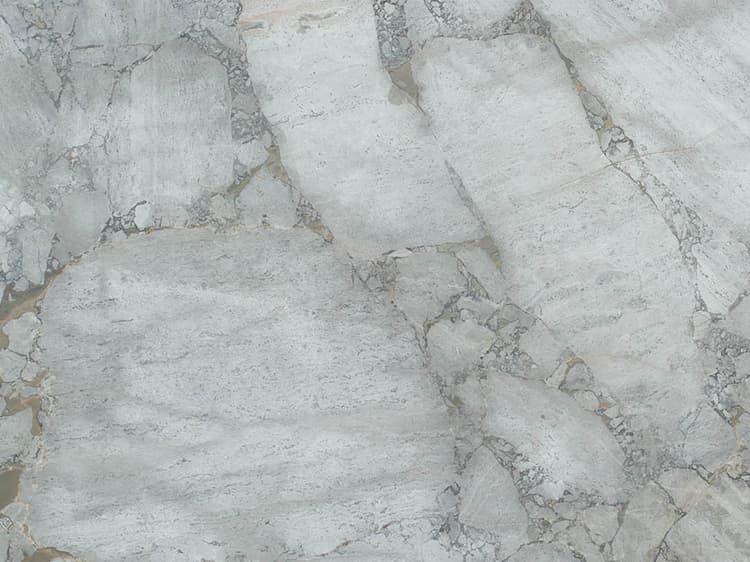
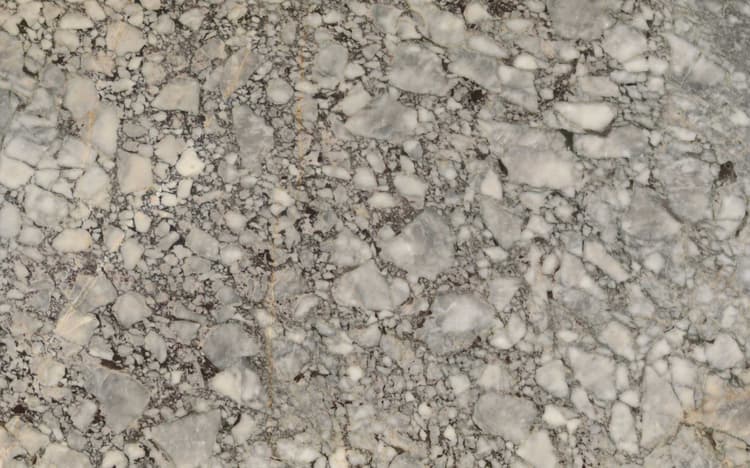
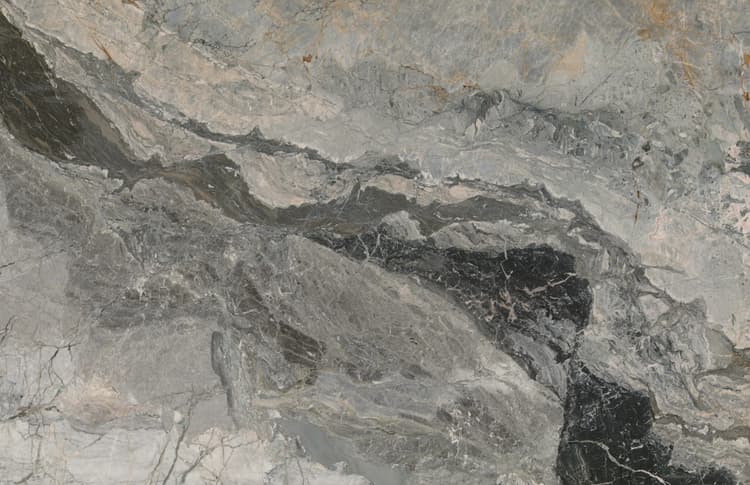
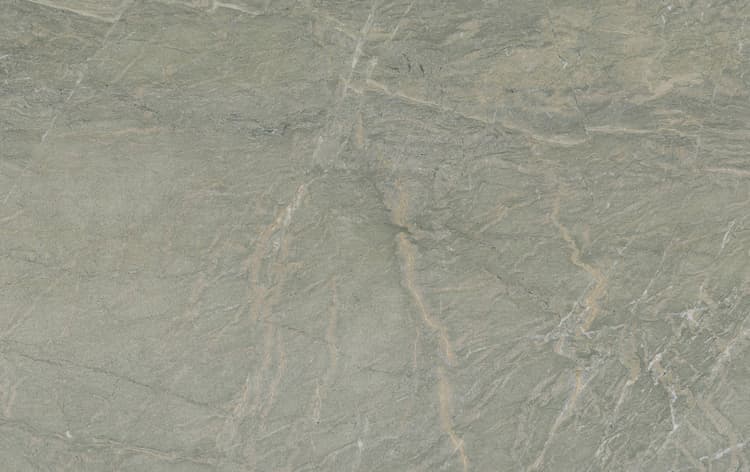
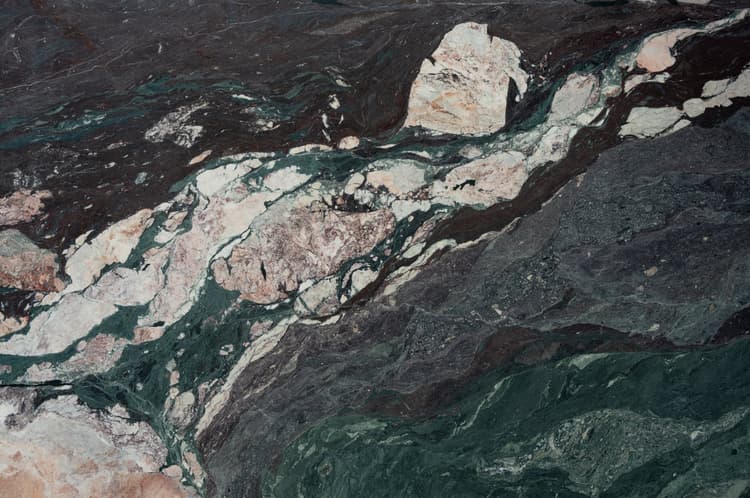
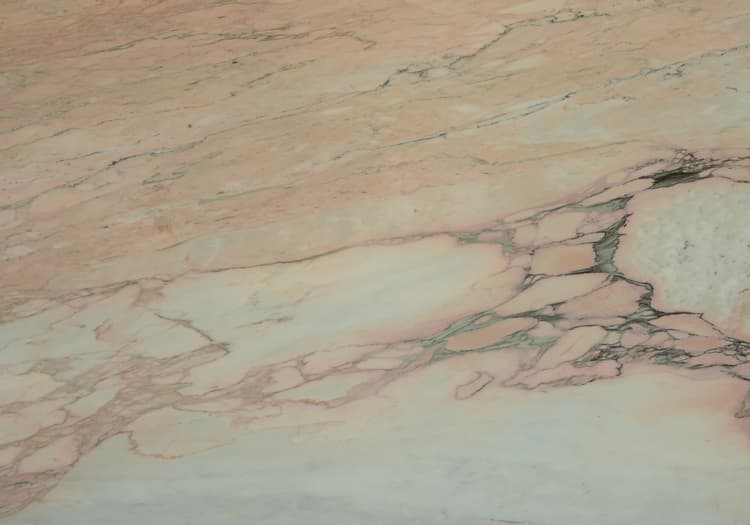
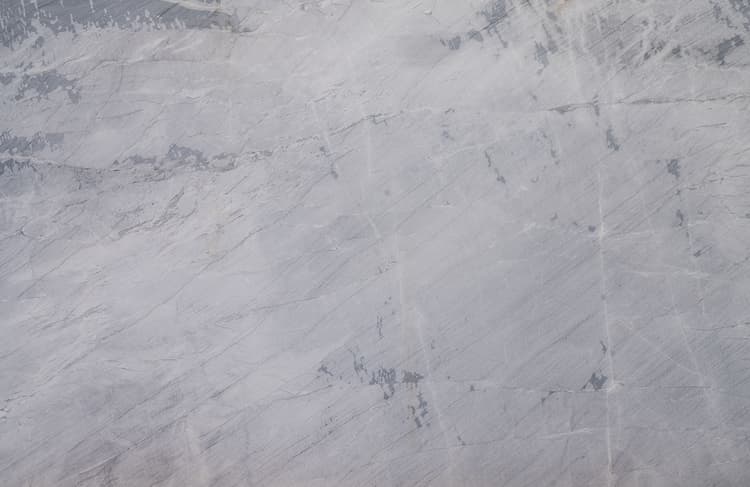
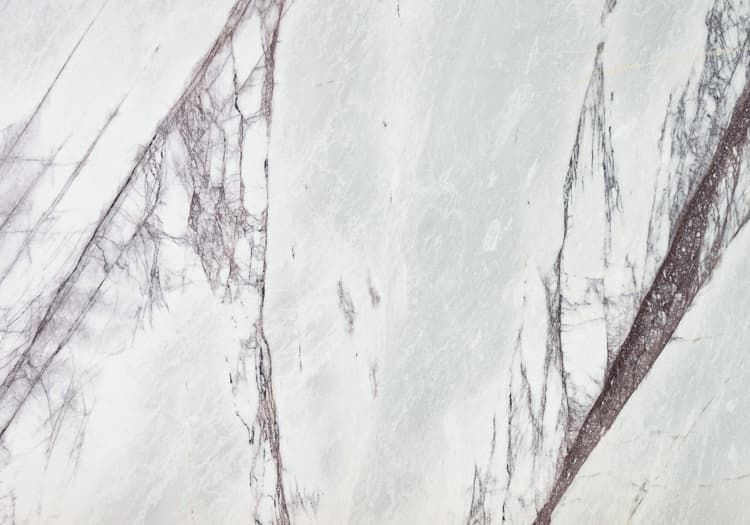
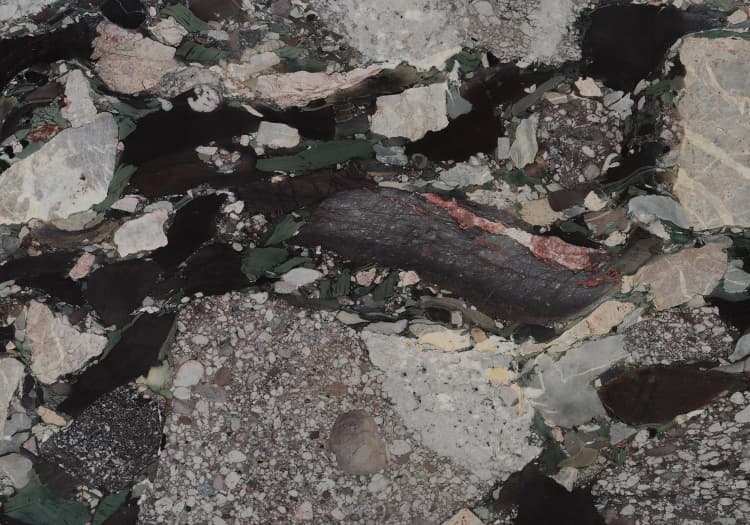
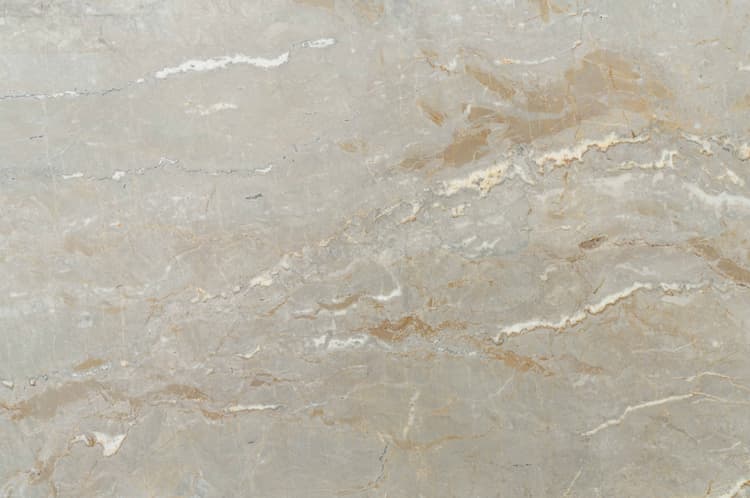
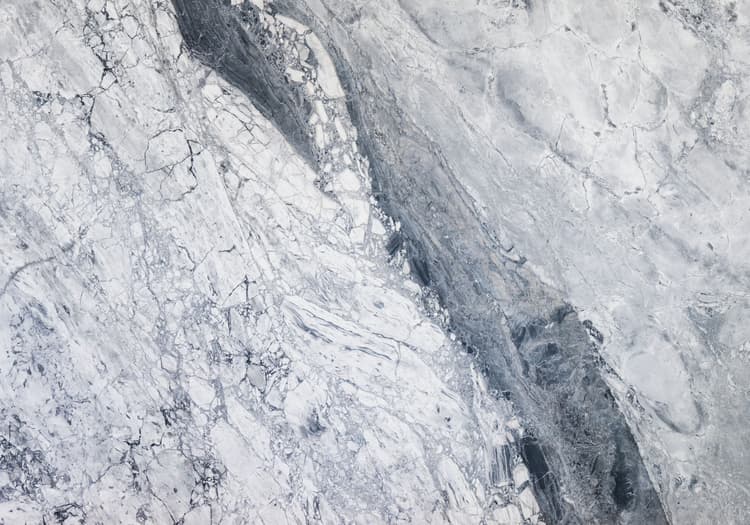
A selection of the 83 natural stone slabs currently in the range. Every product page carries its own finish, size and specification.

Questions
Frequently asked questions
Yes. Veining and colour vary from slab to slab, even within the same product name. That is why we recommend viewing full slabs, or at least samples, before committing — and approving the actual slabs for your job.
Generally, yes. Natural stone is porous to varying degrees and is normally sealed after installation, then resealed periodically. Marble, limestone and travertine all need it; granite and quartzite are harder, but sealing is still recommended.
Marble is softer and acid-sensitive, so it can etch from lemon juice, vinegar or wine. Quartzite and granite are harder and more resistant to scratching and etching. All three are natural, so every slab is unique.
Some stones suit it better than others. Travertine, in a honed or tumbled finish, is widely used around pools and outdoors because it is slip-friendlier and stays comparatively cool underfoot. Check the applications listed on each product page, and talk to our team about the specific site.
Yes — and for natural stone we recommend it. Full slabs can be viewed at our Moorebank showroom in Sydney, or at Warners Bay in Newcastle by appointment.
No. MAMO is a slab supplier: we supply and deliver the full slab, and your own stonemason templates, cuts and installs it. Our team can help you select and specify the right stone for the job.
Choose the slab in person
Book a visit to our Moorebank or Warners Bay showroom to see full natural stone slabs and select the ones for your project.