


Benchtops
Granite Benchtops
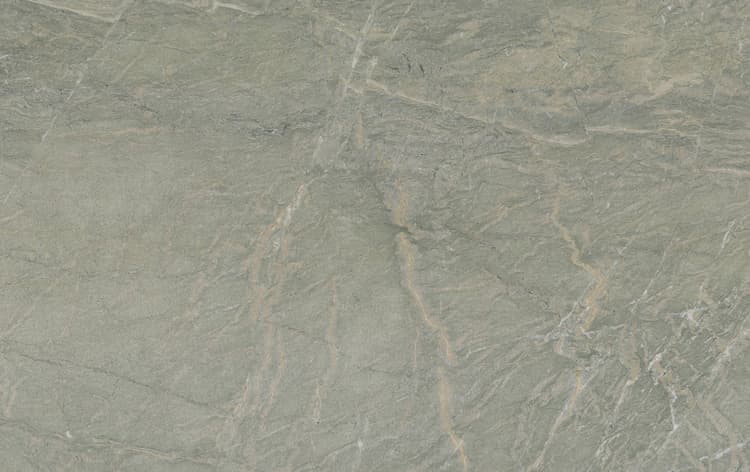
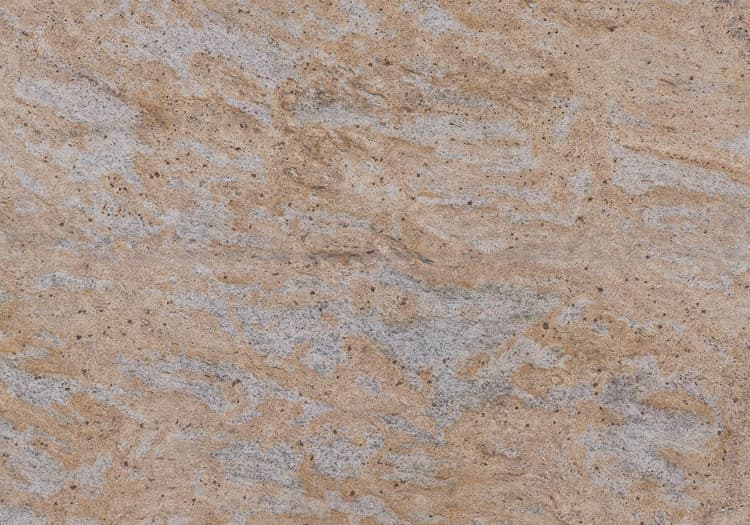
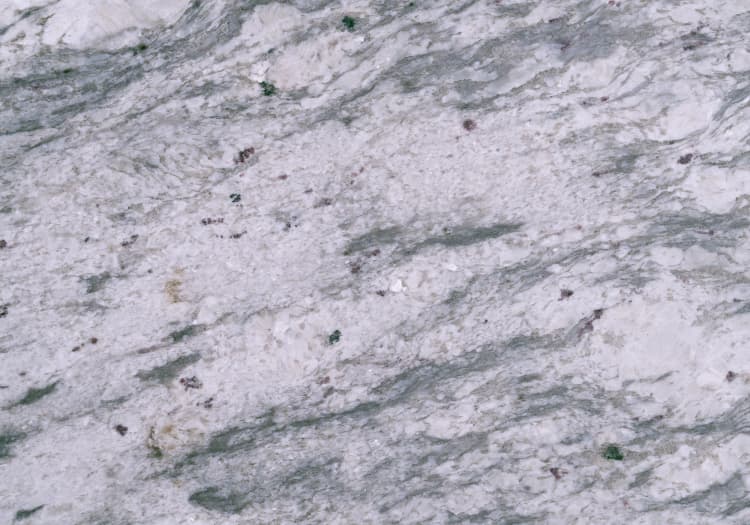
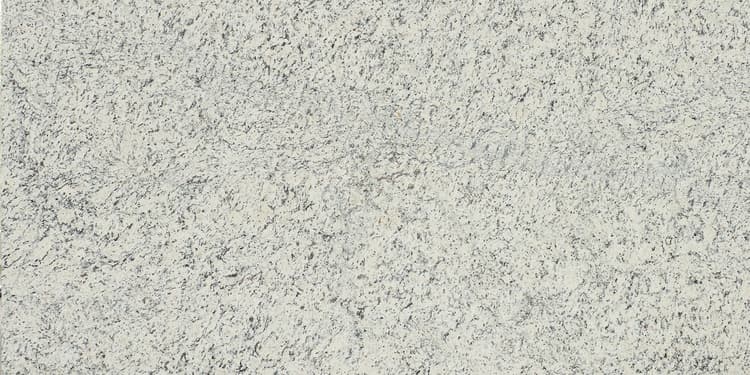
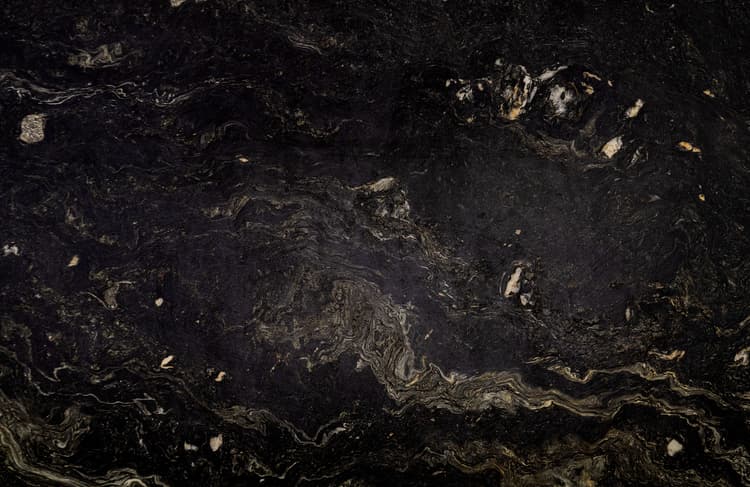
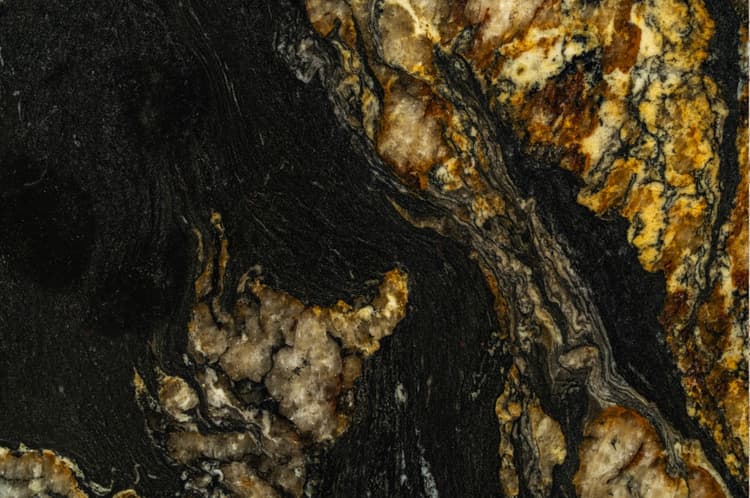
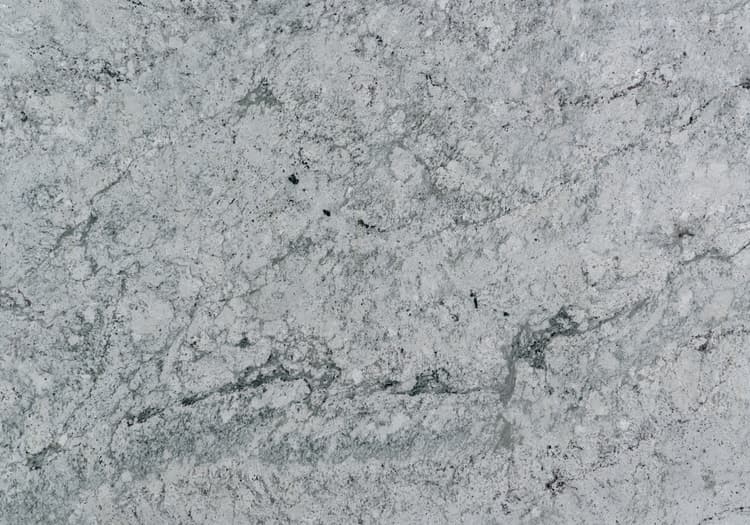
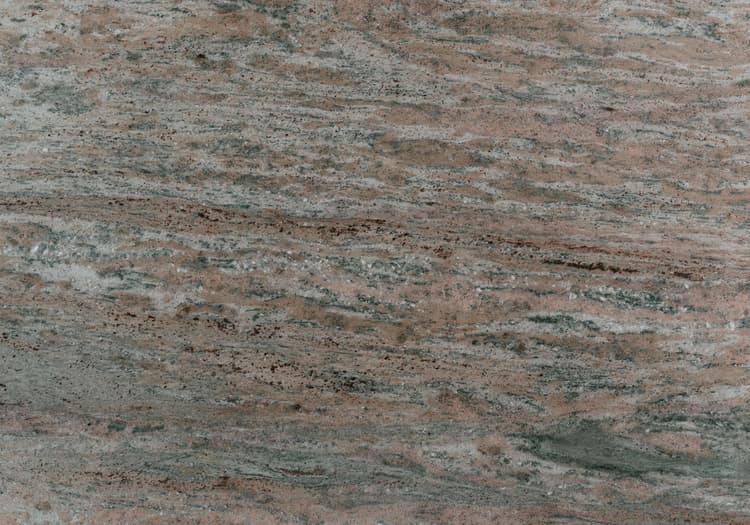
Granite is the hard-wearing end of natural stone: dense, heat resistant, and far less reactive to acids than marble, which makes it the practical choice for a kitchen that gets worked. MAMO's granite range runs from the near-black Cosmic and Fusion leathered finishes through to Kashmir Gold, White Ice and Thunder White, sourced principally from Brazil and India. We supply full slabs; your stonemason fabricates and installs.
Specifying a granite benchtop
Finish
Our granite range is held in honed, polished and leathered finishes. Leathered has become the common specification on darker granites — it holds a subtle texture, cuts reflection and hides fingerprints and water marks far better than a polish.
Thickness
20mm is standard, with thicker edge profiles built by mitring and laminating rather than by using a heavier slab.
Durability
Granite is one of the hardest surfaces you can put in a kitchen. It resists scratching and heat well and does not etch on contact with acids the way marble does, which is the main reason it is specified for busy family kitchens.
Movement and consistency
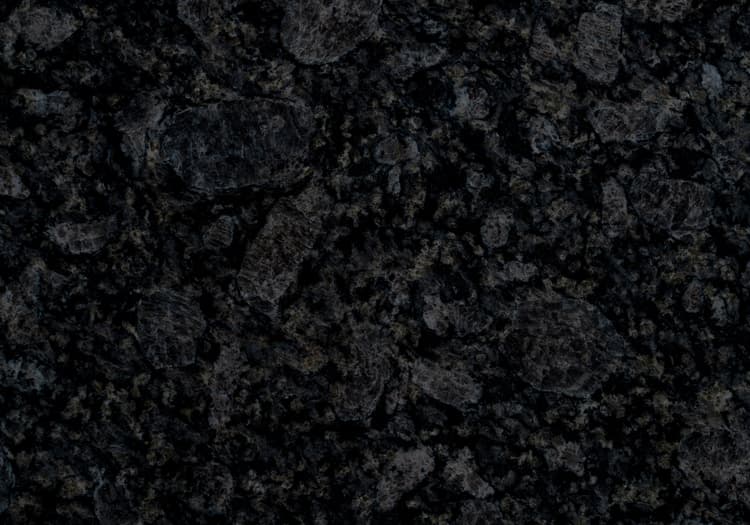
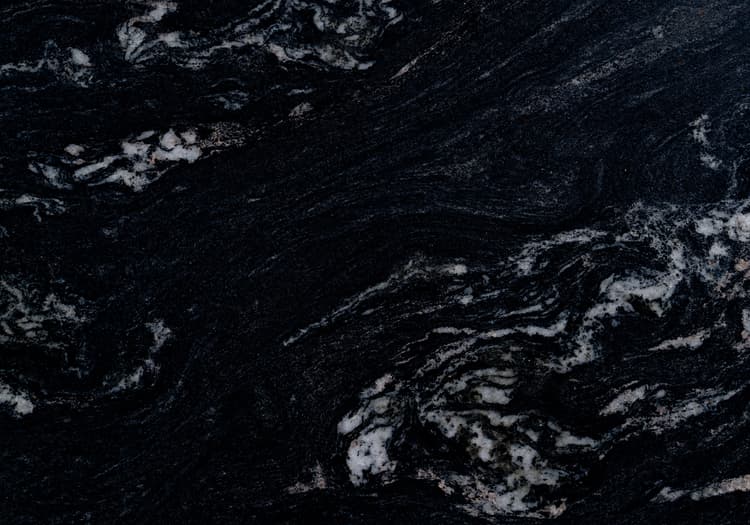
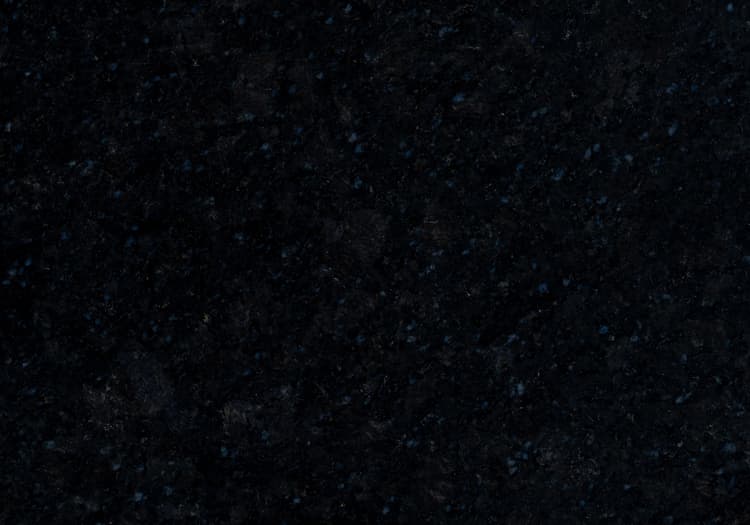
Granite patterns range from near-uniform speckle to dramatic movement. If your design depends on a particular amount of movement, view the actual slab — granite varies within a product name more than people expect.
Slab size
Dimensions vary block to block and are listed per product. Confirm the slab covers your longest uninterrupted run before finalising the layout.
Caring for a granite benchtop
Sealing
Granite is less porous than marble but is still normally sealed after installation. Your stonemason will advise the resealing interval for the specific granite and sealer used.
Everyday cleaning
Warm water and a pH-neutral cleaner. Granite tolerates more than marble does, but abrasive pads and harsh chemicals will still dull a polished surface over time.
Heat
Granite handles heat well, which is part of its appeal. Trivets remain sensible practice — sudden extreme temperature change is a risk at fabricated edges and around cut-outs on any stone.
Leathered finishes
The texture of a leathered surface holds slightly more in its grain than a polish. A soft brush with warm water lifts anything that a cloth misses.
Granite or marble?
Granite is considerably harder and does not etch on contact with acids, so it shows far less of everyday kitchen use. Marble is softer, etches, and develops a patina that many people specify it for. If durability leads the brief, granite. If appearance leads and you accept the surface will change, marble. Sintered stone sits alongside both as a non-porous manufactured alternative that needs no sealing at all.
Frequently asked questions
Is granite better than marble for a kitchen?
For durability, yes. Granite is harder and does not etch on contact with acids, so it shows much less of everyday kitchen use. Marble is chosen for its appearance and the patina it develops rather than for resilience. Both are genuine choices — they answer different briefs.
Does a granite benchtop need sealing?
Usually yes. Granite is less porous than marble but is still normally sealed after installation and resealed periodically. Your stonemason will advise the schedule for the specific granite and sealer.
What finishes does MAMO stock granite in?
Honed, polished and leathered. Leathered is a popular specification on the darker granites such as Cosmic Black and Fusion Black — it adds a subtle texture and hides fingerprints and water marks better than a polished surface.
Where does MAMO's granite come from?
Principally Brazil and India. Each product page lists the country of origin along with the finish and slab dimensions.
Can granite be used outdoors?
Granite is widely used outdoors and handles weather and UV well. Talk to us about the specific granite and finish you are considering, as suitability varies with the application and exposure.
See it in person
Order samples, or view full slabs at a MAMO showroom in Sydney or Newcastle before you specify.